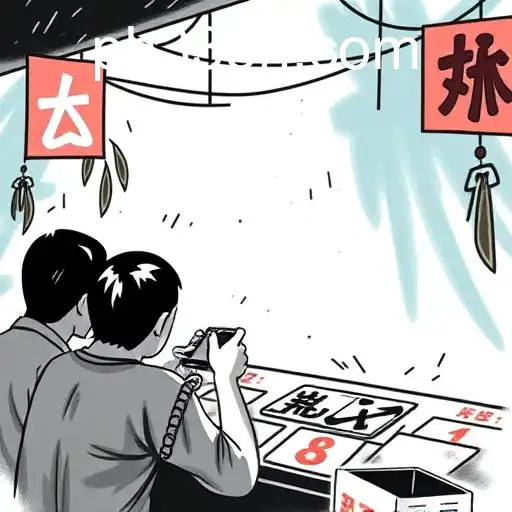
Understanding Jueteng: The Complexities of an Illicit Lottery Game
In the dynamic landscape of gambling in the Philippines, Jueteng stands as one of the most talked-about illicit activities. Delving deep into this topic reveals intricate socio-political layers and the nuanced ways it impacts Filipino society.
The Origins of Jueteng
Jueteng, a numbers game akin to the lottery, boasts a rich history deeply embedded in Filipino culture. With origins tracing back to the Spanish colonial period, it has evolved into a nationwide phenomenon. Originally derived from the Chinese words "hue" meaning flower and "teng" meaning bet, its integration into local customs occurred over decades.PH JOIN
The prominence of Jueteng soared as colonial powers shifted, and the country saw various waves of economic challenges. Over time, it became a predominant source of livelihood for many impoverished Filipinos, offering seemingly unlikely odds to transform fortunes overnight.
Mechanics of the Game
Jueteng operates through a simple betting process. Players choose a combination of two-digit numbers and place their bets with a bet collector, locally known as the "cabos". Outcomes are often drawn by local "bookies," keeping the game tethered to the community.
Unlike formalized lotteries, its informal nature means there's no official record-keeping. As such, winnings are tax-free, appealing to many despite its illegality. Additionally, without a regulatory framework ensuring fairness, controversies about manipulation abound.PH01.ph
The Societal Impact of Jueteng
Jueteng has woven itself into the socio-economic fabric of the Philippines, revealing a dual role. On one hand, it provides employment opportunities—albeit illegal—for countless Filipinos. On the other, it often feels predatory, targeting the most financially vulnerable segments.WIN63M
Jueteng's appeal stems from the Filipino concept of "bahala na," loosely translating to "whatever happens, happens." It embodies the hope for a quick escape from poverty, despite the odds being not more favorable than government-sanctioned lotteries.arena kings
Furthermore, Jueteng's impact stretches beyond economics, reaching into the political domain. Deregulation has meant the game often operates under the guise of protection payouts for local authorities, fostering corruption within governmental systems.
Jueteng and Philippine Politics
The political entanglement with Jueteng is a longstanding issue. Political figures have often been implicated in syndicates, relying on the network to fund campaigns, process bribes, or ensure electoral success. This interconnectedness has hindered meaningful crackdowns, despite numerous pledges from successive administrations.
Efforts to legitimize these operations often meet with resistance due to fears of lost revenue for illegitimate collaborators. Furthermore, attempts at regulation spur debates on moral grounds, with society divided on whether legitimizing Jueteng could alleviate corruption or worsen it.
Some argue for integrating Jueteng into the wider legal gambling framework, much like other forms of betting converted to sanctioned activities under agencies like the Philippine Charity Sweepstakes Office (PCSO). However, the transition remains contentious.
Present-Day Challenges
Contemporary challenges surrounding Jueteng are anchored in technological advancement. Online gambling, represented by platforms such as ph333.vip, has added new dimensions. Facilitating access across geographical boundaries, these platforms pose significant competition to traditional forms of Jueteng.HI68.com
Virtual gambling not only competes for bettors but also introduces complexities in enforcement. While local operations are easier to shutter, digital platforms require international cooperation, thereby exacerbating jurisdictional complexities.
Addressing the Jueteng Phenomenon
Addressing Jueteng requires deliberate efforts from all societal sectors, balancing socio-economic needs against legal and ethical considerations. Proponents for change advocate for comprehensive community education to dissuade reliance on gambling, pushing instead for longer-term financial planning and awareness programs.
On a political level, transparency in enforcement actions and systemic reform to combat corruption are crucial. Establishing trust in formal betting systems such as those associated with the PCSO could pivot enthusiasm towards legal channels, incidentally curtailing Jueteng's reach.
Final Thoughts
Though deeply contested, Jueteng's existence is undeniably interwoven with the challenges and realities faced by many in the Philippines. Efforts to mitigate its influence may require innovative solutions and unwavering tenacity to navigate the present landscape. Whether this entails adapting it into a legal structure or dismantling its network remains a defining aspect of the country's socio-economic evolution. This discourse around Jueteng, including initiatives like ph333.vip, continues to shape national debates on gambling, legality, and morality in the Philippines.